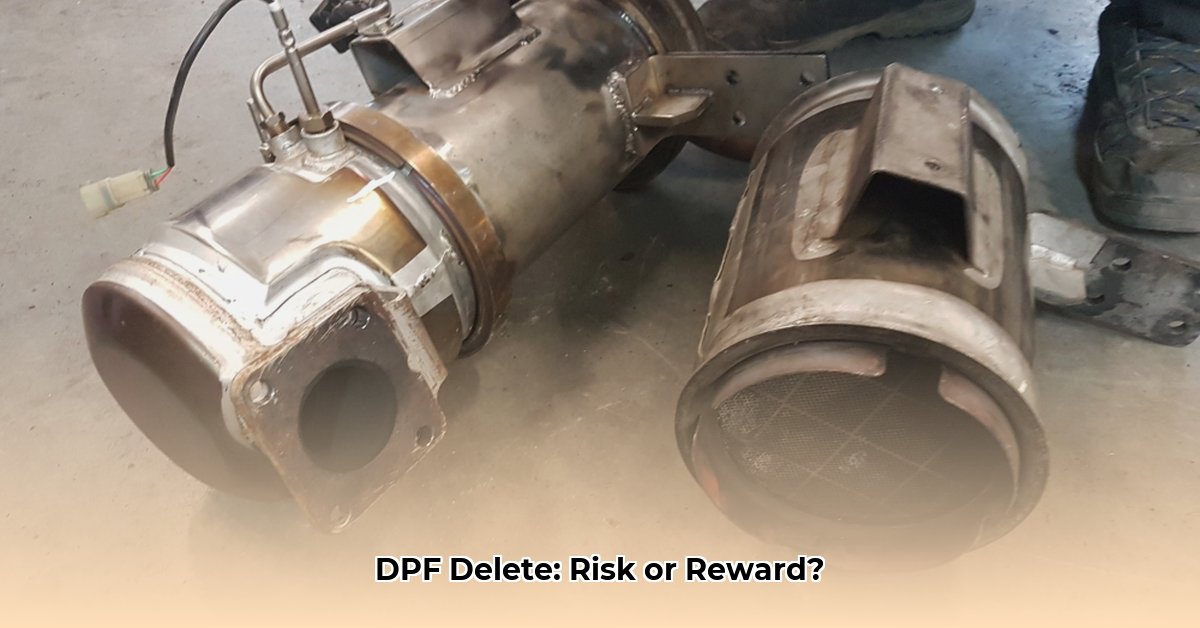
Understanding Tractor DPF Deletes
Farmers constantly seek ways to enhance efficiency and profitability. One modification gaining traction, albeit controversially, is the Diesel Particulate Filter (DPF) delete. This involves removing the DPF, a component crucial to your tractor's emission control system, which traps soot and particulate matter from the exhaust. While proponents suggest potential benefits like increased horsepower and fuel efficiency, the reality is far more nuanced, involving significant legal and mechanical risks. For more information on tractor components, see this helpful guide on tractor trailers.
The Allure and Perils of DPF Removal
The primary allure of a DPF delete stems from the potential for improved performance. Removing the filter may slightly increase horsepower and fuel economy. However, these gains are often marginal and not guaranteed, varying greatly depending on the tractor model and the skill of the modification. Furthermore, this seemingly simple act carries numerous significant downsides.
Potential Upsides (Limited and Conditional):
- Marginal Horsepower Increase: A small increase in horsepower might be observed in some cases, but this is not a guaranteed outcome and the magnitude of the increase is often insignificant in real-world applications.
- Potential Fuel Efficiency Improvement: Some users report slight fuel economy improvements, yet this is not consistent across all tractors or situations. The gains, if any, are usually minimal.
- Reduced DPF Maintenance Costs: This is the most straightforward benefit. Removing the DPF eliminates the need for costly DPF cleaning or replacement.
Potential Downsides (Significant and Often Overlooked):
- Warranty Voiding: Modifying your tractor's emission system almost certainly voids the manufacturer's warranty, leaving you responsible for all repairs. This could significantly increase your operational costs.
- Increased Engine Wear: Operating a tractor without a DPF places extra strain on the engine, accelerating wear and tear and potentially shortening its lifespan. This translates to more frequent and expensive repairs.
- Environmental Impact: Removing the DPF results in significantly higher emissions, contributing to air pollution. This has broad environmental consequences.
- Legal Ramifications: DPF deletes are illegal in many regions. This exposes farmers to hefty fines, legal proceedings, and potential insurance complications. The legal consequences can far outweigh any perceived performance benefits.
Before You Delete: A Checklist for Responsible Decision-Making
Before considering a DPF delete, meticulously evaluate the following:
Legal Compliance: Thoroughly research local, state, and federal regulations regarding emission modifications for agricultural machinery. Penalties for non-compliance can be severe and financially devastating.
Cost-Benefit Analysis: Carefully weigh the potential performance enhancements against the risks. Factor in not only the initial cost of the delete but also the potential expenses of increased maintenance, repairs, fines, and legal fees. Compare this to the cost of maintaining a DPF, and even consider the price of acquiring an older model without a DPF.
Alternative Solutions: Explore less drastic alternatives. Regular DPF maintenance, such as cleaning or replacement, may address performance concerns without the legal and mechanical risks associated with a delete.
Professional Consultation: Seek expert advice from a reputable agricultural mechanic specializing in tractor systems and a legal professional familiar with environmental regulations. This will ensure a fully informed decision.
Understanding the mechanics: Removing the DPF is not enough – the tractor's Engine Control Unit (ECU) must also be reprogrammed. This is a complex procedure that may further reduce engine life if done improperly. It must be done by certified professionals.
The Broader Implications
The discussion surrounding DPF deletes extends beyond individual farmers, impacting the broader agricultural industry. The long-term consequences for the environment and the regulatory landscape are significant. Responsible decision-making involves not just maximizing short-term gains but also ensuring the sustainability and future viability of your operation and the industry as a whole.
"The long-term costs of a DPF delete frequently outweigh any short-term benefits," states Dr. Emily Carter, Professor of Chemical and Biomolecular Engineering at Princeton University. "Farmers should carefully consider the environmental implications and potential legal repercussions before making such a modification."
Conclusion: Responsible Decision-Making
The decision to remove a DPF should be made only after a comprehensive evaluation of all factors. Prioritize responsible farming practices that balance performance with environmental compliance and legal adherence. Remember, the potential financial and legal risks significantly outweigh any marginal gains in performance. Prioritize preventative maintenance over potentially illegal modifications.
Disclaimer: This information is for educational purposes only and does not constitute legal or mechanical advice. Always consult qualified professionals before undertaking any modifications to your equipment.